9 innovations transforming freight and shipping for executive and technical leaders
NOV. 12, 2025
10 Min Read
You feel every missed shipment in revenue, margin, and customer trust.
A single delay or rate spike can undo weeks of careful planning and negotiations. Your teams stand between rising expectations and the limits of carriers, capacity, and aging systems. Freight technology innovations matter because they give you levers to shift cost, service, and risk in a way spreadsheets alone cannot.
AI, data, and cloud tools now shape how freight moves just as much as equipment and facilities. You do not need to be an engineer to make strong calls on AI in logistics, autonomous shipping, blockchain in shipping, or predictive logistics. You do need a clear view of what each capability actually does for your network and your metrics. That clarity will help you prioritize, build stakeholder support, and avoid investments that look impressive but do little to improve your results.
key-takeaways
- 1. Freight technology innovations help logistics teams reduce cost, protect service performance, and support revenue outcomes through more accurate forecasting, automation, and data visibility.
- 2. AI, cloud, IoT, and predictive tools give executives clearer control of freight risks and enable earlier action when disruptions threaten customer commitments.
- 3. Data leaders gain more reliable insight as freight data becomes structured, accessible, and usable for analytics, quality monitoring, and predictive models.
- 4. Technology leaders benefit from freight systems that integrate cleanly with enterprise platforms, follow strong security patterns, and scale without added complexity.
- 5. Organizations that adopt freight technology in a sequenced and outcome-focused way gain stronger service reliability, improved cost stability, and better alignment across teams.
How freight technology innovations are reshaping modern shipping needs
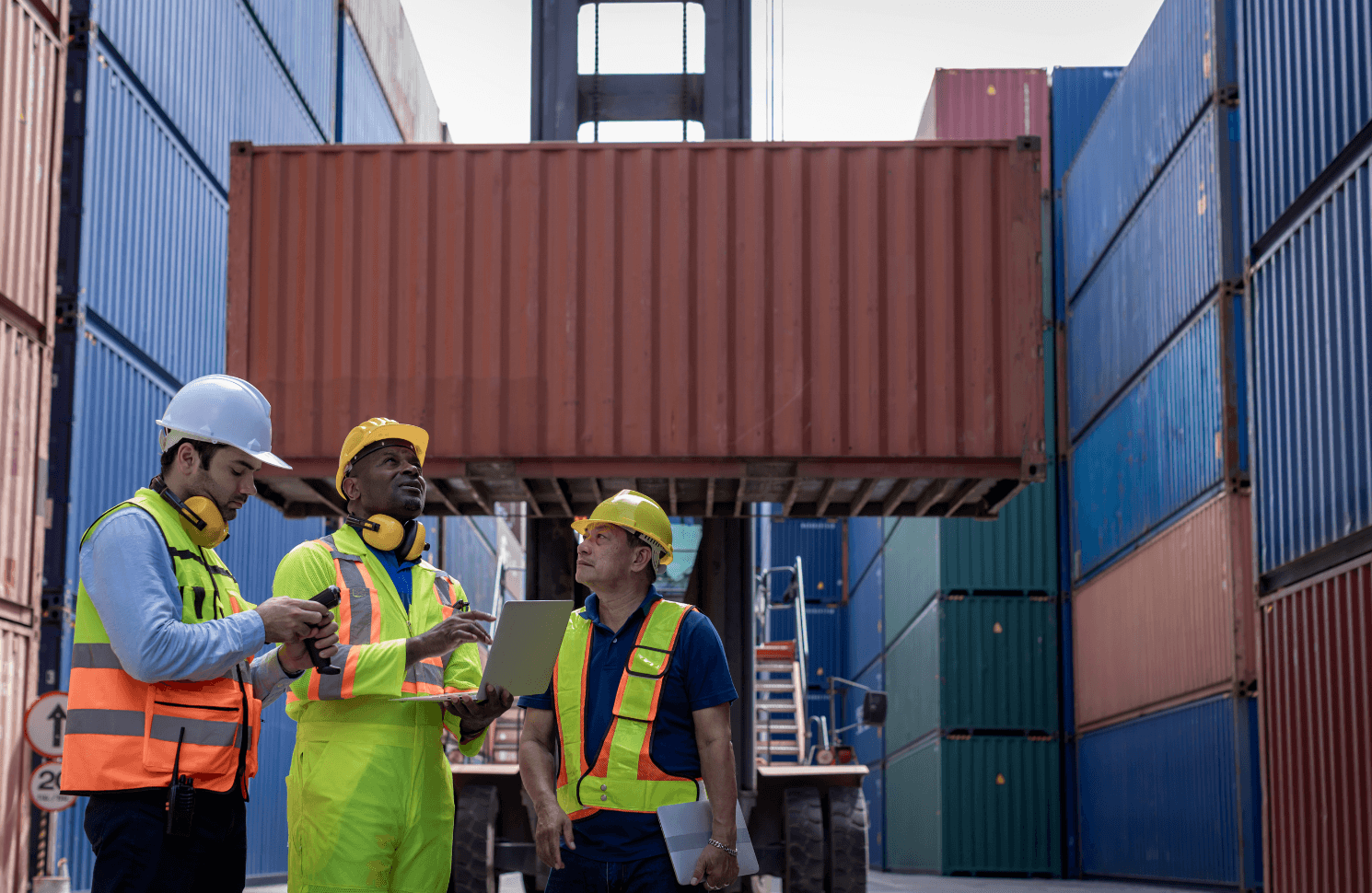
Freight operations once focused mainly on moving loads from origin to destination at an acceptable cost. Most data sat in disconnected systems, and service targets were often broad rather than specific. Customers now expect accurate delivery windows, real-time updates, and consistent experiences across channels and geographies. Freight technology innovations address these needs by connecting data, enabling better decision-making, and automating tasks that do not require human judgment.
Executives expect freight to support growth and margin goals, not just run quietly in the background. Data leaders need consistent freight data that supports analytics, ai in logistics, and predictive logistics without constant manual cleanup. Technology leaders want logistics platforms that integrate tightly with core systems, scale during peak loads, and withstand security scrutiny. When you frame shipping needs through these roles, freight technology becomes a practical toolkit for measurable performance, not just another technology trend.
"Freight technology innovations matter because they give you levers to shift cost, service, and risk in a way spreadsheets alone cannot."
9 freight technology innovations every logistics leader should track
Freight technology can sound crowded, yet a small group of capabilities delivers most of the real value. These freight technology innovations touch planning, execution, visibility, compliance, and coordination across partners. Each one addresses a specific pain point you already feel in day to day operations. A focused view keeps you out of buzzword territory and centers your choices on cost, service, and risk outcomes.
| Innovation | Primary focus | Key outcome for leaders |
|---|---|---|
| AI-powered forecasting and route optimization | Plan volumes and routes with AI insights | Cuts empty miles and supports reliable service |
| Autonomous shipping systems improving transport precision | Automate selected vehicle tasks and movements | Raises consistency and safety in targeted use cases |
| Blockchain in shipping improving traceability and contracts | Share shipment and contract events in one ledger | Lowers disputes and simplifies audits |
| IoT-enabled tracking providing real-time shipment visibility | Track location and condition of freight in real time | Gives teams and customers clearer shipment status |
| Predictive logistics platforms supporting proactive planning | Predict risks and opportunities across freight flows | Supports earlier moves on service and cost risks |
| Digital twin tools simulating freight operations | Model network changes virtually | Shortens time from idea to approved network change |
| Cloud-based logistics platforms strengthening data flow | Centralize logistics data and workflows in the cloud | Creates a scalable base for analytics and automation |
| AI based quality and compliance monitoring in transport | Use AI to monitor quality and compliance signals | Reduces fines, claims, and service complaints |
| Automated freight orchestration improving end-to-end efficiency | Automate workflows across order, execution, settlement | Cuts manual work and standardizes freight processes |
1. AI-powered forecasting and route optimization
AI-powered forecasting uses historical shipments, open orders, and external signals to estimate future volumes across lanes. Models spot patterns in timing, seasonality, and mix that humans do not see at scale. With better forecasts, you can size capacity, labor, and inventory positions with more confidence. Route optimization then takes those forecasts and evaluates service rules and capacity to propose routes that reduce empty miles and avoid avoidable congestion.
For you as a leader, this use of ai in logistics reduces premium freight and surprises in freight budgets. Executives see more predictable cost and service performance that supports revenue plans. Data leaders gain an apparent reason to improve shipment and order data quality, since model accuracy depends on clean inputs. Technology leaders gain a structured place to put routing logic, instead of scattered workbooks that are hard to govern or adjust.
2. Autonomous shipping systems improving transport precision
Autonomous shipping systems take on specific transport tasks with limited human input under strict conditions. Examples include yard trucks moving trailers inside a facility or automated support features on long highway stretches. Sensors, cameras, and control software work together to keep equipment on course and comply with safety rules. People still supervise and intervene, yet the system carries the repetitive load that does not need constant judgment.
Executives see value in more stable service and reduced incident exposure for selected moves. Data leaders gain telemetry on speed, dwell, and route patterns that manual records cannot match. Technology leaders focus on how these systems connect with transport management, yard systems, and safety monitoring tools while respecting security and control boundaries. When you target narrow, high value use cases for autonomous shipping, you turn a headline concept into a practical safety and consistency tool.
3. Blockchain in shipping improving traceability and contracts
Blockchain in shipping uses a shared ledger to record shipment events and contract logic in a verifiable way. Each event, such as pickup, transfer, or delivery confirmation, becomes part of a chain that all authorized parties can see. That shared record reduces disputes over status and timing, since everyone looks at the same information. Contract rules can reference these events, so payments and adjustments trigger when agreed conditions are met.
Executives benefit from fewer billing disputes, faster settlement cycles, and cleaner audit trails tied to freight activity. Data leaders get structured event streams that support analysis of partner reliability, lead times, and exception patterns. Technology leaders focus on governance, identity, access, and integration with existing freight and finance systems, so the ledger fits security and compliance rules. When you apply blockchain in shipping to high friction flows, you reduce overhead and protect relationships without adding layers of manual checks.
4. IoT-enabled tracking providing real-time shipment visibility
IoT-enabled tracking places connected devices on trailers, containers, and key assets to report their locations and conditions in real time. These sensors share data on position, temperature, humidity, or door status at defined intervals. When that data flows into transport and order systems, your teams see where freight actually sits and how it is being handled. Customers receive accurate status and arrival updates, reducing calls and escalations driven by guesswork.
Executives care about this level of visibility because it ties directly to customer trust and brand perception. Data leaders use IoT feeds to refine analysis of lane reliability, asset utilization, and risk hot spots. Technology leaders focus on managing devices, connectivity, and data pipelines so that information arrives cleanly and securely. When IoT-enabled tracking is part of standard operations, planners and service teams respond to issues sooner rather than after customers feel the impact.
5. Predictive logistics platforms supporting proactive planning

Predictive logistics platforms estimate future freight conditions so you can act before problems show up in service or cost reports. These tools combine shipment history, carrier performance, IoT signals, and external inputs such as severe weather or port conditions. Outputs appear as risk scores, alerts, and suggested actions for specific lanes, orders, or partners. Teams can then adjust routes, modes, or order plans before a delay becomes a missed commitment.
Executives value predictive logistics because it protects revenue and key relationships during stressful periods. Data leaders see a strong use case for advanced models that provide visible, daily impact on operations and leadership reports. Technology leaders look at how predictions appear inside control towers, transport systems, and planning dashboards so teams actually use them. When predictive logistics is wired into daily work, your freight operation moves from constant reaction toward calmer, earlier action.
6. Digital twin tools simulating freight operations
Digital twin tools build a virtual version of your freight network, including facilities, lanes, modes, and constraints. You can adjust order profiles, service targets, or facility locations and see the effect on cost and transit times. This approach lets you test scenarios that would be expensive or risky to trial in physical operations. Visual outputs help you explain tradeoffs to finance, commercial, and operations leaders in clear and concrete ways.
Executives rely on digital twin results to support choices on capital projects, fleet mix, and network redesign efforts. Data leaders use these tools to surface gaps or inconsistencies in freight data, since the model exposes missing or conflicting inputs. Technology leaders focus on how digital twins draw from data platforms and planning systems without creating isolated copies. When you build digital twin analysis into large freight decisions, you shorten the path from concept to approved change and reduce avoidable surprises.
7. Cloud-based logistics platforms strengthening data flow
Cloud-based logistics platforms centralize transport management, visibility, and partner collaboration in shared systems. Orders, shipments, invoices, and tracking events live in one place instead of scattered email threads and local files. Carriers and brokers connect through portals or APIs, which improves data quality and reduces manual entry. That unified view supports analytics, automation, and AI in logistics use cases across the business.
Executives appreciate these platforms because they support quicker rollout of capabilities and more flexible spending models. Data leaders treat them as trusted sources for shipment, cost, and service data that feeds reports and models. Technology leaders focus on identity, access, and integration with enterprise systems to protect security and keep operations stable. When you select cloud-based logistics platforms that match your freight profile, you gain a long term base for freight technology innovations without constant rebuilds.
8. AI based quality and compliance monitoring in transport
Quality and compliance monitoring in transport covers shipment conditions, handling rules, documents, and regulatory requirements. AI based tools review images, telemetry, and forms to flag patterns that suggest damage, spoilage, or missing information. Computer vision can examine load photos, while language models review documents for incomplete or inconsistent fields. These automated checks reduce manual review effort and surface issues earlier in the shipment life cycle.
Executives value this work because quality failures and compliance gaps often carry large financial and reputational costs. Data leaders gain structured records of issues, severities, and causes that support targeted process fixes and partner choices. Technology leaders focus on how models are trained, tested, monitored, and integrated with case management systems while protecting sensitive data. When AI based quality and compliance monitoring runs quietly in daily freight activity, you see cleaner audits, fewer credits, and more reliable experiences for key customers.
9. Automated freight orchestration improving end-to-end efficiency
Automated freight orchestration ties order capture, planning, tendering, execution, and settlement into coordinated workflows. Rules consider cost, service targets, constraints, and special requirements before assigning loads or requesting approvals. Status updates and document events automatically trigger the next step, eliminating the need for manual action. People still handle exceptions and strategic choices, while routine freight work flows more smoothly.
Executives like automated orchestration because it supports consistent processes across regions and business units. Data leaders gain precise event logs that show where time and effort are spent, which guides improvement work. Technology leaders focus on orchestration engines, integration patterns, and monitoring so workflows span legacy and modern systems. When orchestration is in place, your freight operation feels steadier, less error prone, and more clearly linked to business targets for cost and service.
"Technology leaders focus on managing devices, connectivity, and data pipelines so that information arrives cleanly and securely."
How freight technology innovations create measurable impact for leaders
Freight technology only earns support when you can point to clear and measurable impact. You are responsible for freight cost, service levels, and risk, but also for how logistics supports broader growth and margin goals. Freight technology innovations should improve those measures without creating new complexity or opacity. A simple impact story will help you win support, sequence work, and hold teams accountable.
- Faster time to value as logistics projects move from concept to live use with less rework
- Lower freight cost through better routing, more accurate forecasts, and reduced manual processing
- Higher service reliability with more accurate ETAs, clearer communication, and fewer preventable misses
- Stronger risk posture through traceability, structured audit trails, and earlier warning on issues
- Better collaboration between operations, data, and technology teams through shared platforms and consistent data
- Clearer executive visibility into how freight supports revenue, margin, and strategic growth moves
Executives will focus on freight cost as a share of revenue, key service metrics, and resilience during stress periods. Data leaders will examine how freight data supports analytics, AI in logistics, and predictive logistics across the business, not just inside logistics teams. Technology leaders will review architectures, integrations, and controls to confirm that freight platforms fit long term strategy and security expectations. When your freight technology roadmap ties to these measures, you gain a shared scoreboard that keeps stakeholders aligned over time.
How Lumenalta®supports teams adopting freight technology innovation
Lumenalta® works with leadership teams that want freight technology to show real progress on growth, cost, and risk, not just proofs of concept. The starting point is a clear picture of the outcomes you care about most, such as service reliability, total landed cost, and time to value for freight initiatives. We then map your freight technology innovations, data sources, and workflows against those outcomes to find practical starting moves. That map becomes a sequenced plan that brings AI, data, and cloud capabilities into your freight stack in a controlled way.
Delivery work focuses on integration, security, and governance so freight data flows cleanly into the tools your teams already trust. Logistics leaders see how new tools fit into daily work, while data and technology leaders see clear ownership, monitoring, and guardrails. Feedback from operations, partners, and executives shapes iterations so you get solutions that hold up in real conditions, not just slide decks. Lumenalta®gives you a partner whose authority rests on clear results, steady guidance, and a track record of credible delivery.
table-of-contents
- How freight technology innovations are reshaping modern shipping needs
- 9 freight technology innovations every logistics leader should track
- 1. AI-powered forecasting and route optimisation
- 2. Autonomous shipping systems improving transport precision
- 3. Blockchain in shipping improving traceability and contracts
- 4. IoT-enabled tracking providing real-time shipment visibility
- 5. Predictive logistics platforms supporting proactive planning
- 6. Digital twin tools simulating freight operations
- 7. Cloud-based logistics platforms strengthening data flow
- 8. AI-driven quality and compliance monitoring in transport
- 9. Automated freight orchestration improving end-to-end efficiency
- How freight technology innovations create measurable impact for leaders
- How Lumenalta supports teams adopting freight technology innovation