


Turning compliance from a burden to a strategic asset in logistics
DEC. 26, 2025
6 Min Read
Ensuring security and compliance in global logistics is now a strategic imperative.
Over 80% of organizations experienced supply chain cyber breaches in the past year, underscoring that protecting logistics operations is not just a box-ticking exercise. It is vital to keep goods moving and maintain trust. At the same time, companies face an onslaught of constantly changing trade laws, sanctions, and safety regulations across different countries. Sixty-nine percent of organizations struggle with regulations that are too complex or numerous and have difficulty confirming if partners comply. These dual pressures of sophisticated cyber threats and tightening rules mean logistics leaders must prioritize security and compliance as core parts of their strategy, not afterthoughts.
Logistics teams grapple with constantly shifting regulations across dozens of jurisdictions. Meanwhile, they must also fend off hackers who target shipment systems and sensitive supply chain data. Fragmented legacy systems and manual processes simply cannot keep up. When compliance checks rely on spreadsheets and email chains, mistakes slip through and dangerous blind spots emerge. To drive sustainable growth in this environment, organizations need a comprehensive approach that embeds strong security controls, real-time compliance monitoring, and robust data governance into daily logistics operations.
key-takeaways
- 1. Security and compliance now act as strategic pillars for global logistics, directly shaping resilience, customer trust, and growth.
- 2. Fragmented systems, manual compliance work, and inconsistent vendor monitoring leave serious gaps that expose supply chains to cyber risk and regulatory penalties.
- 3. Strong logistics data governance supported by automation gives leaders a single source of truth for shipments, partners, and controls, which helps surface risk early.
- 4. Integrated cybersecurity, real-time compliance checks, and automated monitoring shift teams from reacting to incidents toward preventing disruptions and delays.
- 5. Organizations that treat secure, compliant logistics as a continuous discipline achieve faster time to value, lower operational risk, and more confident expansion into new markets.
Global logistics faces growing security threats and complex compliance requirements
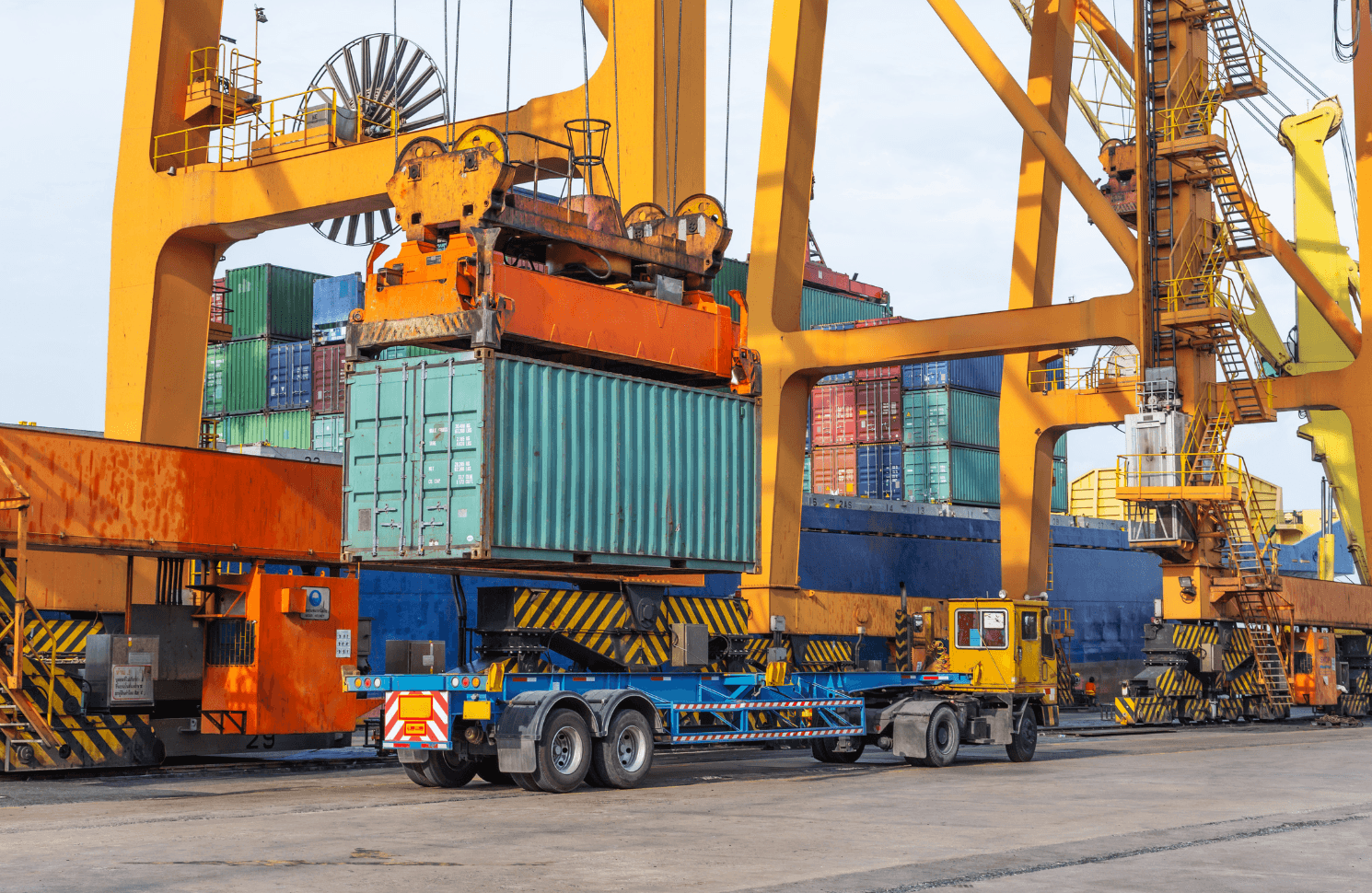
Cyberattacks on supply chain systems and cargo networks have surged in both frequency and sophistication. Threat actors target shipping databases, routing software, and even IoT devices in warehouses, aiming to steal valuable data or cause disruptions. More than four-fifths of companies report being negatively affected by breaches through their supply chain partners. Such incidents do more than cause IT headaches; they halt shipments, compromise customer information, and cascade into millions in losses. At the same time, regulators worldwide are raising the bar for compliance in logistics. New trade sanctions, import/export controls, and security mandates roll out every year, and non-compliance can carry severe penalties. Managing these requirements is a constant challenge: nearly 70% of organizations say the maze of regulations and supplier obligations has become too difficult to manage.
Global logistics operators must contend with a patchwork of rules spanning customs, safety, labor, and data protection. Many organizations have poured more resources into compliance, but manual effort alone is not enough when laws shift weekly across dozens of jurisdictions. The reality is that security and compliance now define who can reliably deliver goods worldwide. A lapse in protecting freight systems from malware or an overlooked customs declaration can bring shipments to a standstill. By recognizing these threats and complexities as strategic issues, not just operational details, businesses can begin to build more resilient, trusted logistics networks.
"To drive sustainable growth in this environment, organizations need a comprehensive approach that embeds strong security controls, real-time compliance monitoring, and robust data governance into daily logistics operations."
Outdated processes fail to ensure end-to-end supply chain security
Many logistics organizations still rely on disjointed, old-school processes that leave dangerous gaps in their defenses. Critical compliance checks are often handled through manual emails and spreadsheets. Shipping records might live in one database while supplier certifications sit in another, with no system linking them for a holistic view. This fragmentation creates blind spots where security threats and compliance violations can hide. In a recent study, companies admitted to significant challenges in monitoring their supply chain security; only 32% of third-party vendors were being regularly monitored. That means the majority of partners and suppliers might go unchecked, greatly increasing exposure to hidden risks deep in the network.
Without unified oversight, a company cannot guarantee end-to-end security or compliance. If cybersecurity defenses are implemented piecemeal, attackers will find the weakest point and use it as a gateway. Manually gathering paperwork for each border crossing not only consumes time but also increases the chance of human error. These inefficiencies can lead to shipping delays, fines, or even seizures of goods. In short, trying to manage modern logistics with patchwork processes leaves the door open to failures–teams end up reacting to problems after the damage is done instead of preventing them. To truly secure the supply chain, companies must close these gaps by modernizing and integrating their logistics workflows from end to end.
- Limited visibility across systems: Siloed platforms prevent teams from seeing the full picture, making it easy to miss issues until they escalate.
- Manual compliance checks: Relying on people to cross-check every shipment against regulations is unsustainable and prone to human error, especially at global scale.
- Disconnected security controls: Cyber defenses are often bolted on rather than built in, leaving openings in the protective shield for attackers to exploit.
- Reactive incident response: Problems like customs holds or data breaches are often discovered only after damage is done, leading to downtime and costly fixes.
- Inconsistent partner vetting: Without an automated way to vet and monitor all suppliers, high-risk vendors can slip through and become weak links in the chain.
The consequences are severe when these issues compound: a single compliance lapse can trigger multi-million dollar penalties, and one undetected cyberattack can halt operations for days. Traditional methods simply cannot provide the speed or assurance needed. Modern global logistics demands integrated systems where data flows freely and automated safeguards catch problems early. Recognizing these shortcomings clears the way for companies to invest in better solutions.
Embedding data governance and automation strengthens supply chain defenses

Effective defense of a global supply chain starts with trustworthy data and automated controls at every step. Companies are moving away from ad-hoc recordkeeping and establishing rigorous data governance across logistics operations. A single source of truth that tracks every shipment, supplier, and checkpoint consistently lets teams spot risks much faster. Once that foundation is in place, automation can take over repetitive checks and monitoring tasks that humans handle slowly.
Real-time compliance monitoring
Automated systems continuously scan each shipment against all applicable regulations. They instantly flag any missing licenses, misclassified goods, or other issues, allowing corrections before a shipment moves. This proactive monitoring reduces delays and prevents compliance errors without burdening staff.
Unified data governance
Strong data governance means centralizing and standardizing logistics information so it remains consistent and accessible. For example, using common product codes and supplier IDs enables analytics to spot issues like expired certifications or unusual shipping trends. Good governance also enforces strict data access controls to protect sensitive information. With reliable data in hand, teams can make decisions faster and more confidently.
Integrated cybersecurity measures
Logistics providers implement cybersecurity across all systems, using tools that detect suspicious activity in real time. They enforce strong user authentication and segment networks so that even if one area is breached, an intruder cannot move elsewhere in the network. Key defenses are also automated–for instance, immediately isolating a compromised device or rapidly deploying security patches. Additionally, companies maintain practiced incident response plans to swiftly contain and recover from any attack.
Secure, compliant logistics networks deliver resilience and trust
Building security and compliance into every logistics process makes the entire supply chain more resilient. Instead of scrambling when a new rule or threat emerges, the organization can operate with confidence. This proactive approach reduces uncertainty and turns compliance from a burden into a strength. It also yields several tangible business benefits:
- Fewer disruptions and delays: Automated checks catch issues early to prevent shipment hold-ups, and backup plans keep goods moving even during unexpected events.
- Avoidance of fines and penalties: Every shipment stays within legal requirements, virtually eliminating fines or seizures. In fact, avoiding a single major incident can save an organization as much as $14–$40 million in remediation costs.
- Enhanced customer trust: Consistently secure and on-time deliveries build confidence among customers and partners, strengthening the company’s reputation.
- Greater agility in market changes: With robust controls in place, the business can pivot quickly when regulations change or supply routes are disrupted, adjusting without missing a beat.
- Stronger market reputation: Over time, a company known for integrity in its supply chain gains a clear advantage. It can attract larger clients and even negotiate better terms thanks to its proven reliability.
By delivering these benefits, secure and compliant logistics operations strengthen the company’s global trade capabilities. Leaders can confidently expand into new markets or onboard new partners knowing strong guardrails keep everything stable. Employees at all levels come to see security and compliance not as bureaucratic hurdles but as keys to success, because they witness consistent positive outcomes. In this way, robust logistics governance becomes a springboard for innovation and efficiency as the business grows.
"Building security and compliance into every logistics process makes the entire supply chain more resilient."
Lumenalta®’s approach to secure and compliant logistics operations

That commitment to resilience and trust also defines Lumenalta®’s approach to modernizing supply chains. We partner with executive, data, and technology leaders to embed robust compliance checks and cybersecurity into daily logistics operations, treating security and compliance as continuous disciplines rather than one-off projects. Our team helps establish a unified data foundation so that every stakeholder–from the C-suite to the warehouse floor–works from the same real-time information, giving leadership confidence that all regulatory requirements and risks are accounted for. Equally important, we automate compliance processes and integrate security from the ground up.
Ultimately, our goal is to accelerate business outcomes without compromising on safeguards. In practice, this approach yields measurable results: faster time-to-market because fewer shipments get stuck at checkpoints, lower costs by avoiding fines and reducing manual work, and higher customer satisfaction from reliable delivery performance. We also prioritize change management and stakeholder alignment to ensure new systems and processes are adopted smoothly by teams. Through these efforts, security and compliance become everyone’s responsibility and innovation never outruns oversight. Companies achieve scalable growth in global logistics while confidently managing risk.
table-of-contents
- Global logistics faces growing security threats and complex compliance requirements
- Outdated processes fail to ensure end-to-end supply chain security
- Embedding data governance and automation strengthens supply chain defenses
- Secure, compliant logistics networks deliver resilience and trust
- Lumenalta’s approach to secure and compliant logistics operations
- Common questions about supply chain security