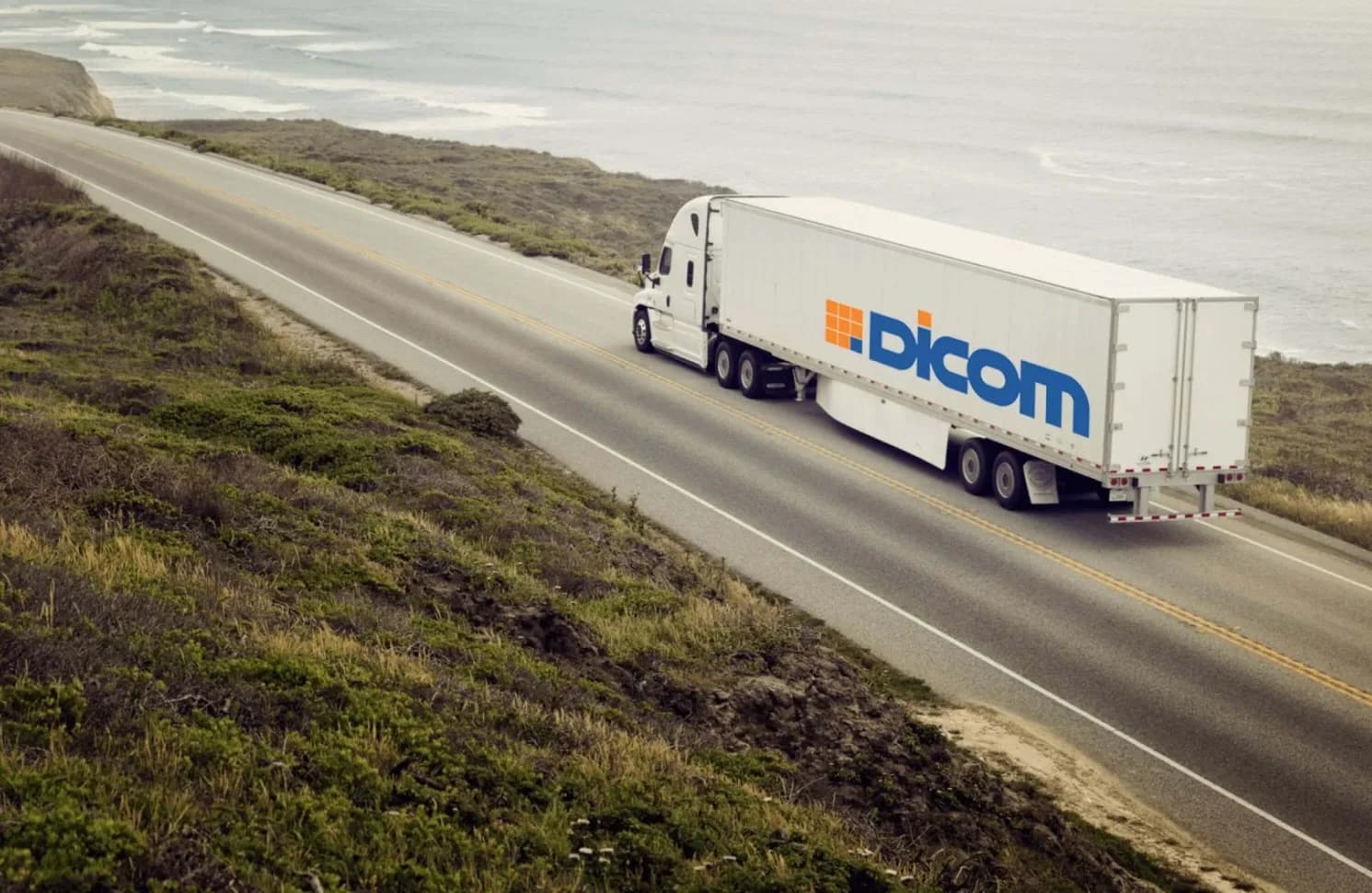

Logistics leader, Forward Air, modernizes legacy systems with unified cloud platform and real-time tracking
A leading logistics provider, Forward Air, needed to replace outdated systems with a single, scalable cloud platform to improve speed, accuracy, and customer visibility.
Moving from silos to a single logistics core with real‑time tracking and analytics.
Client: Our client accelerates surface shipping, specializing in TL and LTL (truckload and less-than-truckload) linehaul, pick-up and delivery, intermodal drayage, pool distribution, and temperature-controlled logistics. With decades of industry experience, they’ve earned a reputation as a trusted single-source transportation partner known for flexibility, reliability, and personal service.
The organization set out to unify its technology into a single cloud-based platform—one that would deliver real-time tracking, advanced analytics, and seamless scalability across the enterprise.
Lumenalta®partnered with the company to architect and deploy a modern cloud ecosystem that integrates legacy and modern data systems into a secure, centralized environment. The new foundation supports long-term agility while unlocking measurable efficiency and growth.
Challenge: Modernizing a legacy logistics platform at enterprise scale presented multiple operational and architectural challenges.
- Siloed legacy systems limited cross-business visibility and slowed reporting.
- Latency issues and concurrent workloads reduced data processing speed.
- On-premises databases created scalability barriers during high-volume periods.
- Legacy architecture lacked integration with modern analytics and APIs.
- Real-time shipment tracking was limited by outdated infrastructure.
- Complex routing and networking constrained hybrid connectivity between systems.
- Manual processes led to inefficiencies across fulfillment and customer service.
The company needed a modernization approach that balanced stability and speed—ensuring operational continuity while creating a cloud-native foundation for future data, AI, and automation initiatives.
Solution: Lumenalta®delivered a unified, cloud-based platform designed to process, analyze, and visualize logistics data at scale. Built on Microsoft Azure, the solution integrated key components including Data Factory, Databricks, EventHubs, PostgreSQL, and a self-hosted integration runtime to enable secure, real-time data movement.
The architecture established a secure network bridge between on-premises systems and the Azure cloud—eliminating latency, improving reliability, and ensuring a consistent flow of operational data across business lines.
Lumenalta®implemented a lift-and-shift approach to accelerate delivery, completing an MVP launch in just six months. Wrapper services and next-generation APIs allowed existing systems to continue running seamlessly while the new infrastructure scaled in parallel.
This hybrid model now supports both real-time and batch data processing, creating a single source of truth for operations, customer engagement, and analytics—all without business disruption.
Outcomes: The new platform has delivered measurable, enterprise-level outcomes:
- 5TB of analytics and 500 pipelines supporting high-volume data processing and smarter insights.
- 360° unified customer platform across five business lines, enabling cross-sell and improved experience.
- 2.5M shipments tracked annually in real time, enhancing operational accuracy.
- MVP launched in 6 months, meeting aggressive modernization timelines.
- 85% reduction in hardware costs, lowering rollout from $500 to $75 per unit.
- 4x user adoption, increasing from 2,000 to 8,000 active users.
- Revenue growth through operational efficiency and expanded digital capabilities.
Today, they operate on a unified cloud foundation that connects every business line and customer touchpoint—improving reliability, insight, and scalability across its network.
5TB of analytics & 500 pipelines
Enabled high-volume data processing to drive real-time insights and smarter decision-making
85% Reduction in hardware costs
Transitioned from $500 to $75 per unit, significantly lowering rollout expenses
360-degree view of customers across five business lines
Supporting cross-sell and upsell opportunities as well as improving CX
Ready to turn complex data into smarter, faster decisions?