


Ensuring sustainability and efficiency in post and parcel digitalization
JAN. 13, 2026
4 Min Read
Post and parcel digitalization will cut cost and emissions when sustainability is built into routing, sorting, and facility operations.
Transportation accounted for 28% of total U.S. greenhouse gas emissions in 2022. That scale makes sustainability an operating constraint, not a side project. The key learning is evident in that the same data and controls that protect service will also cut energy use and emissions.
Work often begins by mapping parcel flows, energy baselines, and delivery exceptions into one operational view that ops and IT share. This moves faster when goals are expressed as things dispatchers and facility leads can act on, like fewer failed delivery attempts and lower energy per processed parcel. Tools matter, but they’re secondary to ownership and follow-through. Tight measurement plus routine execution turns sustainability targets into reliable delivery.
Key Takeaways
- 1. Governance has to follow the full data flow, including copies in vendors, logs, and analytics stores.
- 2. Ownership, lineage, and quality rules will fail unless they are tied to release control and evidence you can reproduce.
- 3. Access and privacy controls work best when exceptions are time-limited, logged, and reviewed on a steady cadence.
Sustainable logistics principles shaping post and parcel operations
Sustainable logistics means running the network so parcels move with less energy, fewer miles, and less material waste while service promises hold. It treats carbon and cost as a single constraint set. It relies on consistent measurement, not occasional reports. It spans facilities, fleets, packaging, and returns.
A depot will get immediate benefit when planners use real-time scan volumes to consolidate linehaul loads instead of running extra trips “just in case.” Another clear example is shifting more deliveries to pickup points or lockers so first-attempt success rises and re-delivery volume falls. Returns belong in the same lens, since poor address quality or packaging damage creates repeat handling. These moves show up as fewer exception tickets, not just nicer reporting.
Principles matter because they prevent whiplash. Teams stop chasing a single “green” project and start fixing the work that creates waste every day. Tradeoffs still exist, and you’ll pick what you protect first when volumes spike. Service reliability stays non-negotiable, so the focus lands on removing rework before tightening buffers.
Green delivery technologies used across modern postal networks
Green delivery technologies reduce the emissions and energy needed for pickup, transport, sorting, and delivery without cutting service quality. Electric vehicles, charging controls, micro-depots, parcel lockers, and low-energy facility systems are common examples. Telematics belongs here because it links vehicle behavior to route and maintenance choices. Tech earns the “green” label only when it changes workflows.
A dense downtown route often works better when vans drop consolidated loads at a secure micro-depot and smaller electric vehicles handle short delivery loops. That setup reduces curb time and makes parking constraints less painful for carriers. Parcel lockers in transit or retail locations help when they cut door-to-door miles and eliminate repeat attempts. Charging software then schedules vehicles around power limits so dispatch doesn’t fight the utility bill.
Constraints are where programs win or lose. Electric fleets need range exception rules, spare capacity on peak days, and clear training for safe charging. Micro-depots shift labor patterns and require controlled handoffs, not just leased space. Lockers reduce miles but require tight address validation, customer messaging, and pickup-time policies.
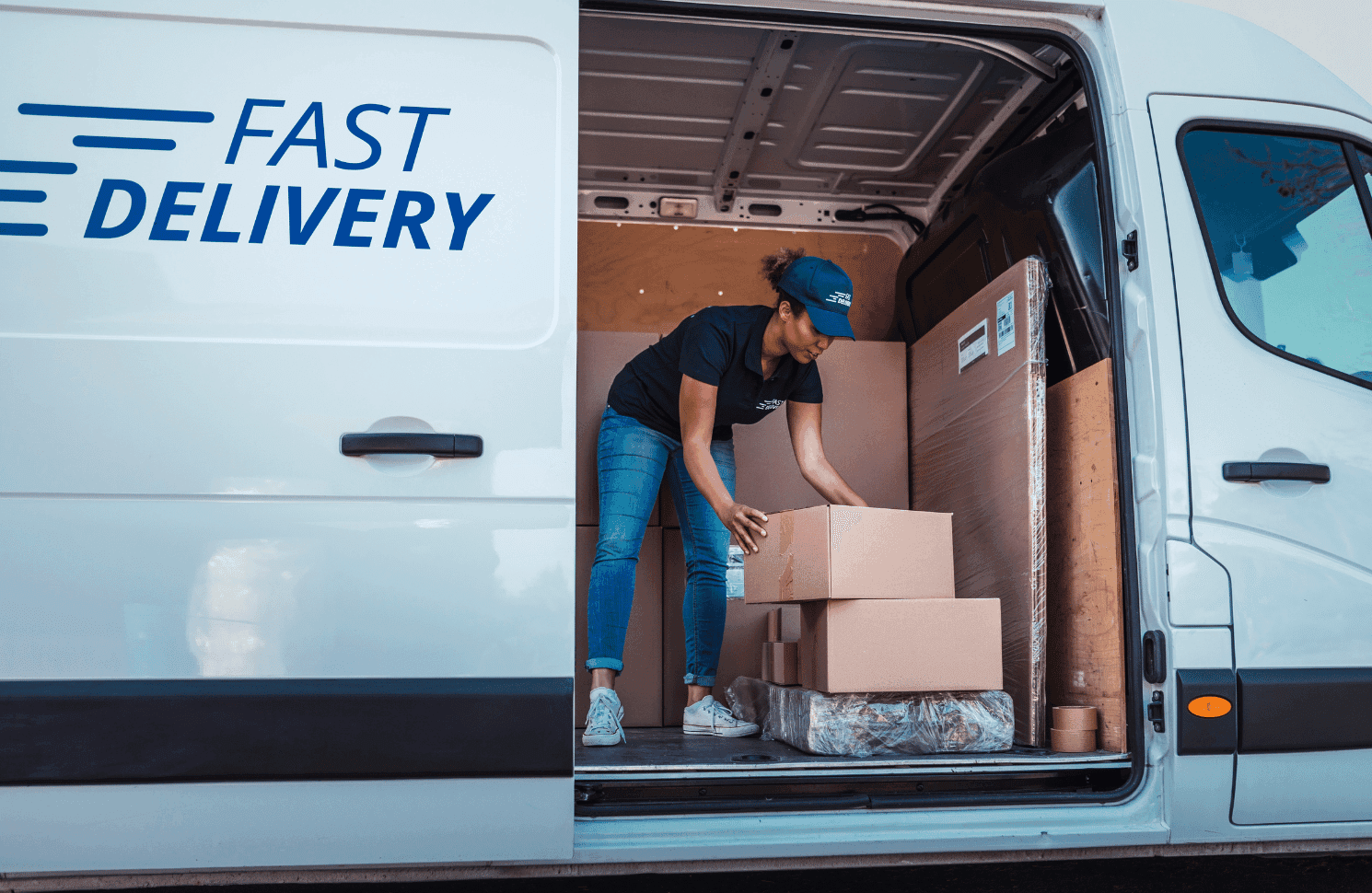
“The key learning is evident in that the same data and controls that protect service will also cut energy use and emissions.”
Energy efficient postal operations across facilities and fleets
Energy efficient postal operations come from controlling when buildings and vehicles consume power, not from buying more sensors. Facilities improve when lighting, HVAC, and equipment schedules match sort plans and shift patterns. Fleets improve when routes are right-sized and charging is planned around how work ends. You’ll get the cleanest savings when energy actions tie to throughput and on-time delivery.
A sorting hub will save energy when conveyor start-stop logic and building controls follow actual volume instead of fixed time blocks. Lighting retrofits are a direct operational move, since high-bay fixtures run long hours during peak sort windows. Residential LEDs use at least 75% less energy than incandescent lighting, and the same math shows up at scale when lighting runs across docks and staging areas.
Fleet waste drops when supervisors see idle time and reroutes at the route level and fix the causes, like dock congestion or poor sequencing. Charging losses fall when plug-in steps are standardized and chargers sit where routes end. Preventive maintenance matters, since tire pressure and brake drag show up as energy waste. Small controls add up when they’re embedded in daily routines.
Carbon neutral parcel delivery targets and measurement methods
Carbon neutral parcel delivery means you cut emissions first, then neutralize the remainder with credible credits and claims. Targets must map to depot, linehaul, and last-mile work. Measurement must be auditable and activity-based. Claims that can’t be traced to fuel, electricity, and scans won’t stand.
Start with a baseline for fleet energy, facility electricity, and subcontracted transport, then set intensity targets tied to volume and distance. Track lanes so outliers surface. Contracts should require partners to share activity data, not just invoices. Finance can reconcile the carbon view to bills.
Targets stay credible when boundaries and factors remain stable long enough to prove progress. Offset-first plans look clean on paper and leave waste untouched. Assurance is worth it because it forces clean definitions. Carbon neutral parcel delivery is a claim you earn through reductions you can prove.
Eco friendly logistics technology for sorting and route planning
Eco friendly logistics tech reduces miles, rework, and energy use by improving how parcels are sorted, sequenced, and routed. Sorting cuts waste when it limits cross-dock moves and keeps parcels on the lowest-energy path that still meets cutoffs. Route planning cuts waste when it reduces repeats and failed deliveries. Data quality and exception handling matter more than complex modeling.
An electric fleet will run cleaner when route planning accounts for range, load, terrain, and access limits, then reserves charging slots based on where routes end. Sort plans can group stops so carriers finish dense areas first and keep time for exceptions. Scan-triggered re-optimization helps when road closures or address corrections show up mid-shift. You’ll see fewer miles, missed scans, and second attempts.
Lumenalta® teams often build the data plumbing that links scanners, fleet telemetry, and facility systems so planners see one operational truth. Carrier autonomy matters, since humans will override routes for safety, access, and customer needs. Governance keeps systems honest by tracking overrides and tying them back to data quality issues. Outcomes improve when routing and sorting run as a daily loop, not a quarterly analytics exercise.

Cost efficiency and service reliability tradeoffs in sustainable delivery
Sustainable delivery programs fail when cost, reliability, and emissions are managed as separate scorecards. The best tradeoff removes wasteful work first, then invests in changes that keep service stable during peaks. Some actions cut costs fast, like reducing re-deliveries and mis-sorts. Other actions cost more upfront, like fleet electrification, and need service guardrails.
Route consolidation creates tension because it improves utilization but can tighten delivery windows. Pickup points and lockers reduce second attempts, yet they will frustrate customers if locations and pickup rules are poorly designed. Electric fleets reduce tailpipe emissions, but the operation will break if chargers aren’t where routes end and exception routes aren’t planned. Reliability improves when you keep manual fallback steps for messy edge cases, not when you remove them.
Tradeoff calls get easier when you use a small set of outcome metrics. On-time delivery, first-attempt success, energy per processed parcel, and cost per stop keep teams aligned. Pilot designs need peak-day testing, because quiet weeks hide failure modes. Procurement, operations, and IT stay aligned when each investment has a service plan and an exit plan.
“If dashboards look great but carriers still make the same second trip, nothing changed.”
Common execution gaps that slow sustainability progress
Sustainability progress stalls when accountability is vague and daily workflows never change. Most gaps come from fuzzy boundaries, poor data, and incentives that reward the wrong work. Execution improves when you treat emissions like any other operational defect with a named owner and a remediation path. Discipline beats ambition in post and parcel networks.
- Unclear system boundaries
- Missing activity data
- Weak exception workflows
- Fleet and facility silos
- Incentives that reward volume
Fixing these gaps takes practical choices, not new slogans. One owner should control definitions for route, stop, attempt, and energy so reporting matches operations. Teams need one backlog that covers facility controls, routing rules, and partner data contracts, and Lumenalta®will often help structure that work so it runs like an operating program. The work stays honest when leaders review exceptions weekly and close the loop with process changes. If dashboards look great but carriers still make the same second trip, nothing changed.
Table of contents
- Sustainable logistics principles shaping post and parcel operations
- Green delivery technologies used across modern postal networks
- Energy efficient postal operations across facilities and fleets
- Carbon neutral parcel delivery targets and measurement methods
- Eco friendly logistics technology for sorting and route planning
- Cost efficiency and service reliability tradeoffs in sustainable delivery
- Common execution gaps that slow sustainability progress